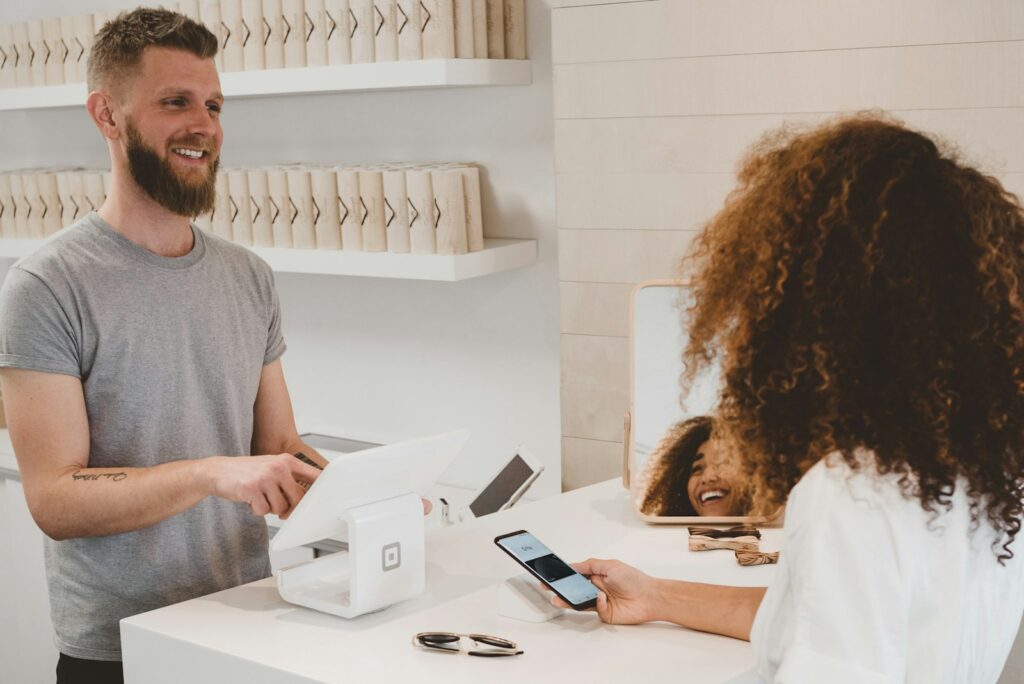

Merchants often ask the wrong question about Shop: “Should I sell on Shop or on my own store?” In reality, Shop and your online store do different jobs. One helps shoppers find you and buy quickly with details they have already saved. The other is where you control the full brand experience and build a relationship over time.
This guide compares the Shop channel and your Shopify online store across four jobs that matter: discovery, checkout, retention, and merchant control. It is not about whether you can appear in Shop; it is about where each channel adds value once you do. If you want to review your channels while reading, open the Shop channel in Shopify.
Two Channels, Two Different Jobs
The simplest way to think about it: Shop is a place shoppers browse across many brands. Your online store is a place they visit for your brand specifically.
Shop is built around the shopper
Shop collects a shopper’s orders, tracking, saved brands, and payment details in one place across many stores. Its value to shoppers is convenience across brands.
Your online store is built around your brand
Your store controls the story, layout, product education, bundles, and every detail of the experience. Its value is depth: everything a shopper needs to understand and trust your brand.
They connect through identity and carts
Shop and participating stores share signals such as Shop Pay and cart sync. A cart started in Shop can sync back to your store, and the reverse, according to Shop’s help center (Source: Shop Help Center).

Image source: Unsplash.
Where Each Channel Helps
The table below compares the two channels on the jobs that drive sales.
| Job | Shop channel | Your online store |
|---|---|---|
| Discovery | Reach shoppers browsing many brands | Depends on your own traffic sources |
| Checkout speed | Saved Shop Pay details | Fast with Shop Pay, plus your own options |
| Brand storytelling | Limited to product data and images | Full control of pages and content |
| Retention | Order tracking and follows inside Shop | Email, accounts, loyalty, subscriptions |
| Merchant control | Follows Shop’s format and rules | Your theme, apps, and policies |
| Paid promotion | Shop Campaigns, with eligibility rules | Any ad channel you choose |
Discovery: Where Shop Adds the Most
Discovery is the job where Shop can add something your store cannot do alone.
New shoppers who would not search for you
Shop users browse and follow brands across categories. A shopper who would never type your store name into a search bar may still find you in Shop.
Product data does the selling
In Shop, shoppers decide from product cards. Clear titles, strong first images, and accurate prices matter more than your homepage design. Weak product data limits what Shop can do for you.
Eligibility comes first
Your store must meet Shop’s eligibility requirements to appear. In November 2026, Shopify opened Shop to stores without Shopify Payments, while Shop Campaigns remains tied to Shopify Payments (Source: Shopify Changelog).
Partnered with Shopify: This guide includes Shopify links for merchants comparing sales channels and checkout options.
Checkout: Both Can Be Fast
Checkout speed is often presented as a reason to favor Shop, but your own store can be fast too.
Shop Pay works on your store
If Shop Pay is enabled on your online store, returning Shop users can check out with saved details there too. Much of the speed advantage carries over to your own site.
Your store offers more checkout choices
Your online store checkout can offer payment methods, delivery options, and customizations that a shared surface may not show. For complex orders, that flexibility matters.
Choose based on the order, not the channel
Simple, single-product purchases suit Shop well. Orders with bundles, personalization, or special delivery needs often work better on your own store.
Retention: Your Store Still Does the Heavy Lifting
Repeat buying depends on relationships, and most relationship tools live on your own store.
What Shop contributes
Shop gives customers order tracking and a way to follow brands. That keeps you visible after the first order, especially for shoppers who check delivery updates in the app.
What your store contributes
Email and SMS consent, customer accounts with store credit, loyalty programs, subscriptions, and personalized offers all run through your store. These are the tools that turn a first order into a habit.
Bring Shop customers into your own programs
When a Shop shopper buys, give them reasons to connect directly: a clear account, a loyalty welcome, or care content after delivery. You can set up customer accounts and loyalty in Shopify to support that.
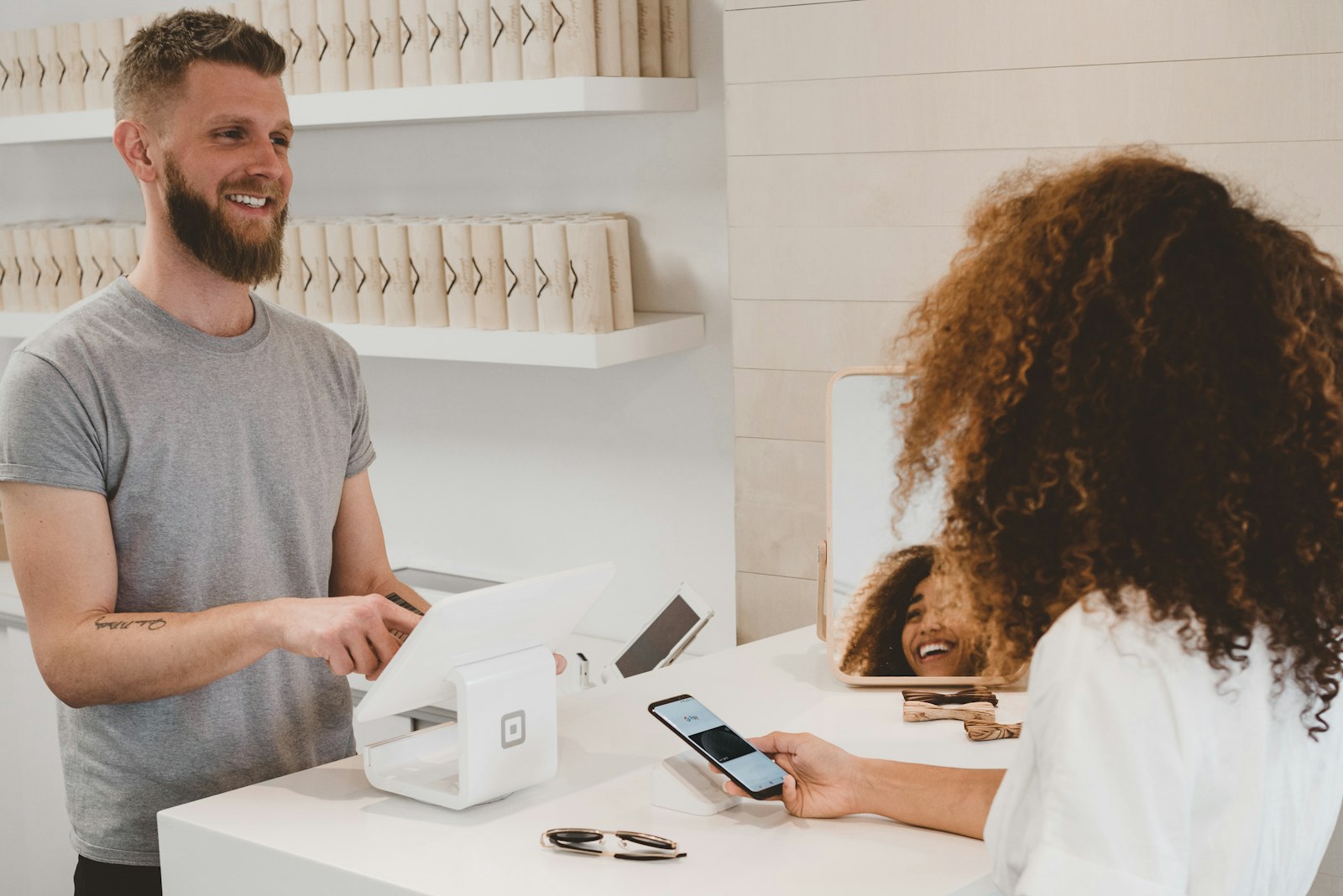
Image source: Unsplash.
Merchant Control: The Trade-Off
The more a channel does for you, the less you control.
Shop follows its own format
Product cards, layouts, and features in Shop follow Shopify’s design and rules. You influence results through product data and eligibility, not through custom pages.
Your store follows your decisions
On your own store, you decide layout, upsells, policies, and promotions. That control is why it remains the home for your brand.
Keep policies consistent across both
Returns, shipping times, and support details should match wherever a shopper buys. Inconsistency creates confusion when a Shop customer contacts your team.
Using Both Without Competing
The goal is not to pick a winner but to give each channel a clear role.
- Use Shop for discovery and quick first purchases.
- Use your online store for education, bundles, and complex orders.
- Use Shop Pay on both to keep checkout fast.
- Use your store’s retention tools to build repeat buying from every channel.
- Keep pricing and policies consistent everywhere.
Common Mistakes When Using Both Channels
Merchants who struggle with Shop usually make one of a few avoidable mistakes.
Treating Shop as a copy of the store
Uploading the full catalog without thinking about how products look on small cards wastes the channel. Lead with products that explain themselves in one image and one line of text, and improve images for those first.
Running different prices or offers
If a product costs less in one place than another without a clear reason, shoppers notice and trust drops. Keep core prices aligned and use channel-specific offers only when you can explain them simply.
Ignoring Shop customers after the first order
A first purchase through Shop is the start of a relationship, not the end of a transaction. If those customers never hear from you again, Shop becomes a one-time sales channel rather than an acquisition source.
Judging Shop on sessions alone
Shop shoppers often arrive with intent and saved details, so they may buy in fewer visits. Judge the channel by orders, new customers, and repeat purchases rather than session counts.
Example: A Small Skincare Brand
A skincare brand with a focused range uses both channels deliberately.
Shop handles first discovery
Its cleanser and moisturizer, both easy to understand from an image, appear in Shop. New customers often buy one product there as a first try.
The online store handles routines
Routine bundles, ingredient guides, and subscriptions live on the brand’s own site. Post-purchase emails invite Shop buyers to explore a full routine.
They measure the hand-off
The team tracks how many first orders come from Shop and how many of those customers place a second order on the online store within 90 days. That number shows whether Shop is feeding the store or competing with it. When the share is healthy, they add more products to Shop; when it is low, they improve the post-purchase emails before expanding the listing.
How to Measure Each Channel Fairly
Compare channels by orders, average order value, new customer share, and repeat purchases over time. Avoid comparing session-based conversion rates across periods before and after Shopify’s September 2026 measurement update. Review sales by channel in Shopify Analytics monthly to keep the roles clear.

Image source: Unsplash.
Final Thoughts
The Shop channel helps most with discovery and quick, simple first purchases. Your Shopify online store helps most with brand storytelling, complex orders, retention, and control. Checkout can be fast on both when Shop Pay is enabled. Give each channel a clear role, keep product data strong for Shop and retention tools strong on your store, and measure whether Shop customers come back to buy directly. Use Shopify to manage both channels from one admin.
FAQ
Is Shop a replacement for my online store?
No. Shop is a discovery and shopping channel. Your online store remains the home for your brand, content, and retention tools.
Can Shop Pay be used on my own store?
Yes. When Shop Pay is enabled, returning Shop users can check out with saved details on your online store.
Do I need Shopify Payments to appear in Shop?
Not since November 2026, if you meet eligibility requirements. Shop Campaigns still requires Shopify Payments.
We only recommend tools we've tested and trust. This post may include affiliate links, meaning we may earn a commission if you choose to purchase – at no extra cost to you.